GST ITC Reconciliation: Why ₹ Crores in Input Tax Credit Gets Blocked Every Month
When a supplier files GSTR-1 late, your ITC disappears from GSTR-2B. Here's why ITC gets blocked and how Indian finance teams fix it before month-close.
Verse HQ
You received the goods. You paid the invoice. You paid the GST. But when your CA pulls the GSTR-2B for the month, three of your supplier invoices aren't there. The ₹1.4 lakh in ITC you planned to claim this month is blocked — because the suppliers haven't filed their GSTR-1. This is GST ITC reconciliation in practice, and it happens to nearly every Indian mid-market company every month without anyone tracking the cumulative cost.
Why ITC Gets Blocked in GSTR-2B
The chain that delivers ITC to your GSTR-2B has four links: your supplier files their GSTR-1, the invoice data flows to the GSTN system, it appears in your GSTR-2B, and you claim it in GSTR-3B. Every link can break.
A supplier who files GSTR-1 after the 11th of the following month means their invoices don't appear in your GSTR-2B for the current filing period — you carry the ITC gap into the next month. A supplier who files with a typo in your GSTIN means the invoice goes to the wrong recipient's GSTR-2B entirely. A supplier who never files at all means you have no recourse until they correct their status.
From April 2026, the ITC hard block makes this more consequential. GSTR-3B can only claim ITC that is actually reflected in GSTR-2B — no manual overrides, no deferred claims. One delayed supplier filing blocks the corresponding credit, period.
The IMS Workflow and What It Requires From Your Team
The Invoice Management System, active since October 2025, adds another layer to manage. When a supplier uploads an invoice to IRP, it appears in your IMS dashboard. You can Accept it, Reject it, or leave it Pending. If you do nothing, the system marks it Accepted automatically — but the ITC is still contingent on the invoice appearing in GSTR-2B.
This creates a practical problem. Your team might see 200 pending IMS invoices on the 14th of the month and need to decide which to accept, which to reject, and which to defer. An invoice accepted in IMS but not yet in GSTR-2B (because the supplier filed late) creates a discrepancy that must be resolved before filing. Rejecting an invoice by mistake requires a correction process with the supplier. The IMS is a control mechanism — but it adds workflow overhead that teams using manual reconciliation will struggle to manage at volume.
A Practical Monthly Cadence for ITC Protection
The finance teams that lose the least ITC treat GSTR-2B reconciliation as a continuous process, not a month-end task. By the 5th of each month, the previous month's GSTR-1 filings from most suppliers should be visible. Running a GSTR-2B vs purchase register check on the 5th — not the 14th — gives you nine days to follow up with delayed filers.
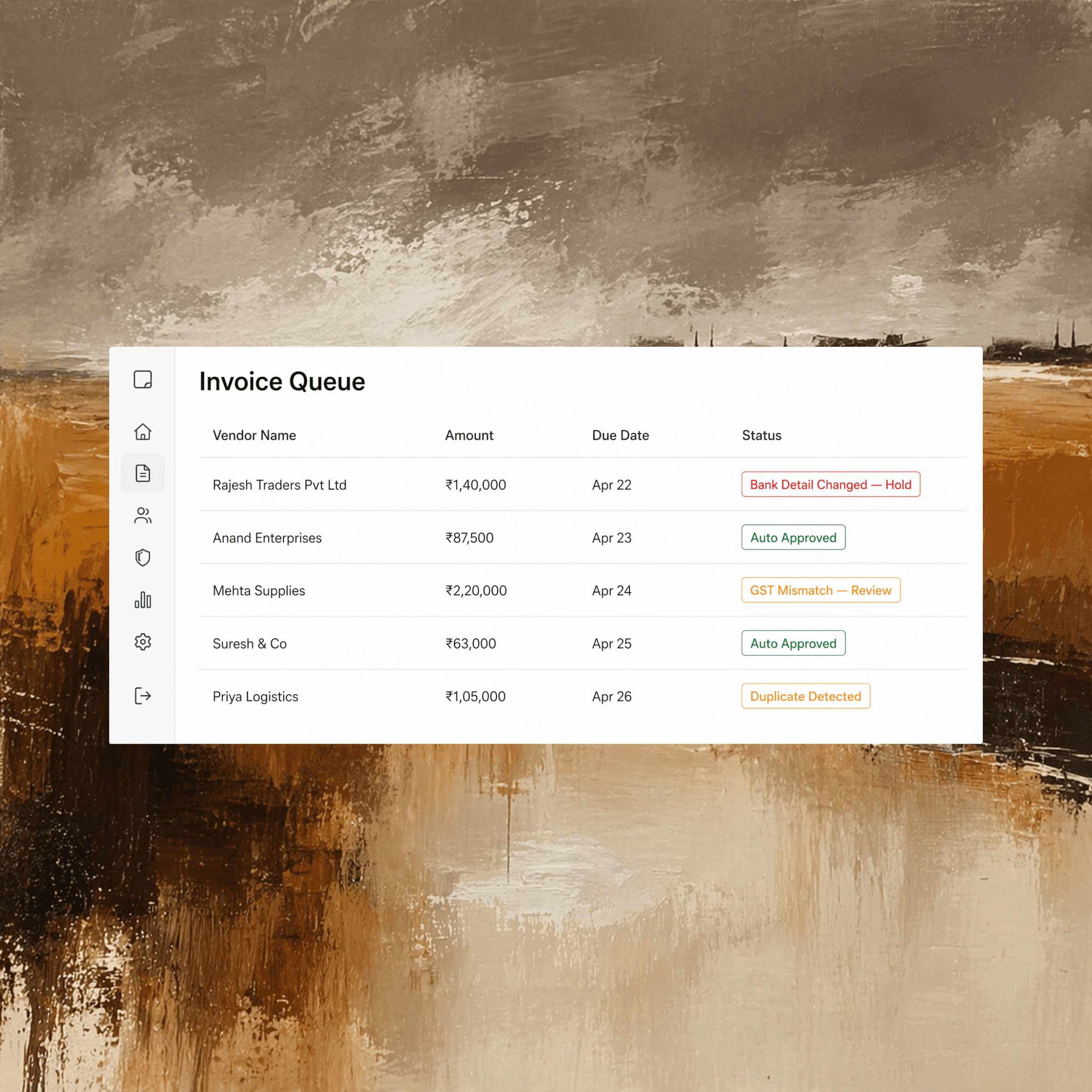
The useful segmentation: identify vendors who consistently file before the 11th (low risk, normal processing), vendors who file between the 11th and 20th (medium risk, flag for ITC timing management), and vendors who routinely file after the 20th or not at all (high risk, hold payment pending confirmation). One logistics company using this segmentation identified that 12% of their active vendor base were consistent delayed filers. By holding payments for that group until GSTR-1 confirmation, they recovered ₹1.2 crore in ITC annually that had previously been getting deferred month after month.
ITC reconciliation is not an accounting task — it is a cash flow management task. Every rupee of blocked ITC that becomes a reversal costs 18–24% interest on top of the credit loss. The companies that manage this well do one thing differently: they track GSTIN filing behavior by vendor, not just by filing period.